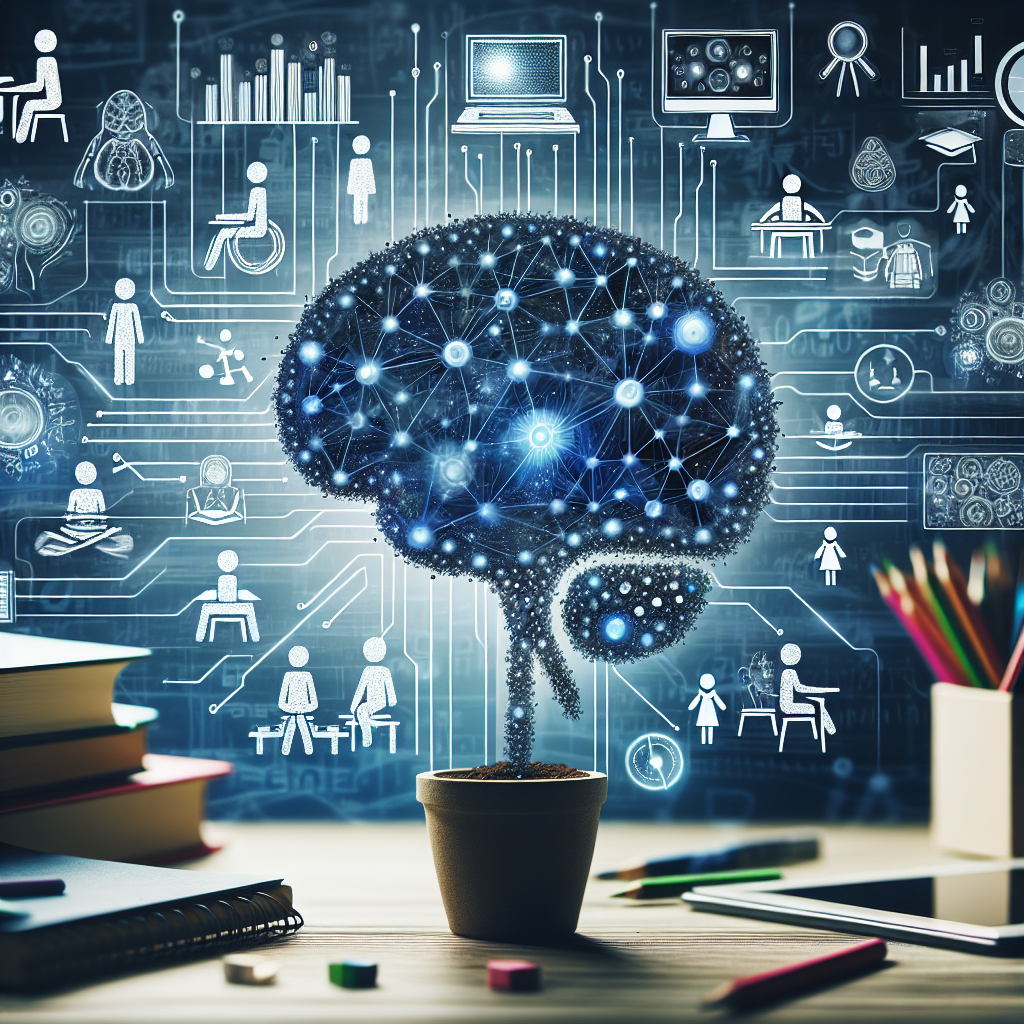
Understanding the Impact of Artificial Intelligence in Education in the Digital Era
Amid the ongoing digital revolution, many aspects of our lives are undergoing significant transformation, and education is one of them. Artificial intelligence, commonly known as AI, is now beginning to play a crucial role in the teaching and learning environment. But is its presence truly capable of revolutionizing the way we educate future generations? Or does it instead introduce new complexities that educators and students must face? Understanding the depth of AI’s impact on education is not only important for technology experts, but also for parents, teachers, and all stakeholders concerned about the future of education.
Today, we have witnessed how artificial intelligence in education offers innovative solutions such as personalized learning, data analytics for curriculum development, and virtual tutors that are accessible 24/7. However, behind the convenience it offers, concerns also arise regarding technological dependency, data security, and how AI may affect human social interaction. Through this article, we will explore more deeply how AI is reshaping the educational landscape and what these changes mean for all stakeholders in the field of education.
The Role of Artificial Intelligence in Educational Transformation
The implementation of Artificial Intelligence in Education has transformed the traditional paradigm of teaching and learning. In the past, teachers were the sole source of information in the classroom, while students played a passive role in receiving material. Today, with AI, the learning process becomes two-way and more interactive. Adaptive learning systems use algorithms to understand each student’s learning patterns, allowing content to be delivered according to individual needs. This transformation emphasizes the teacher’s role as a facilitator and guide, rather than a sole content provider.
Furthermore, AI helps automate administrative tasks in education, such as grading multiple-choice exams, monitoring student progress, and scheduling classes. This allows teachers to focus on more complex pedagogical aspects, such as guiding critical discussions and providing in-depth feedback. In addition, AI technology enables cross-border collaboration through intelligent online learning platforms. All these innovations prove that Artificial Intelligence in Education is not just a trend, but a driving force for comprehensive transformation at every level of teaching.
Read Also: Exploring the Origins and Modern Technology of Connectivity
Innovative Solutions Offered by Artificial Intelligence
Artificial Intelligence in Education provides various innovative solutions to improve the quality and efficiency of the teaching and learning process. One example is the use of educational chatbots that can answer students’ questions in real time, both outside school hours and during holidays. These chatbots are programmed to understand natural language, allowing them to provide explanations, reference links, or practice questions tailored to students’ needs.
In addition, AI-based analytics platforms can process big data from learning outcomes, attendance, and student behavior. Through this analysis, teachers and administrators can identify students’ weaknesses early, design appropriate interventions, and monitor the effectiveness of learning strategies. These solutions leverage artificial intelligence to create an adaptive, responsive, and outcome-oriented educational ecosystem.
Personalized Learning: Benefits and Challenges
Personalized learning is one of the most tangible applications of Artificial Intelligence in Education. By utilizing machine learning algorithms, systems can adjust content and teaching pace according to each student’s profile. This method increases student motivation and engagement because the material is more relevant to their learning styles and interests.
However, challenges arise in large-scale implementation and infrastructure readiness. In addition to requiring high-quality digital content, teacher training is also needed to ensure optimal use of platforms. There is also the issue of technological access gaps in remote areas, which may widen the educational divide between urban and rural regions.
Data Analysis for Curriculum Development
In the era of Artificial Intelligence in Education, data analysis plays a vital role in designing dynamic and relevant curricula. Data on learning progress, student interests, and teaching effectiveness is collected and analyzed to identify strengths and weaknesses within the education system.
Based on these insights, curriculum developers can adjust learning content, add interactive modules, or modify evaluation methods to better suit modern student needs. As a result, the curriculum is no longer static, but continuously evolves alongside emerging trends and demands in education.
Read Also: Revealing 5 Transformational Technologies in Indonesia’s Startup World
Virtual Tutors Supporting Learning in the Digital Era
Virtual tutors are one of the increasingly popular applications of Artificial Intelligence in Education. Through AI-based chatbots or virtual assistants, students can receive guidance 24/7 without time and location limitations. These virtual tutors are equipped with multimedia materials, interactive exercises, and automated feedback that accelerate concept understanding.
Another advantage of virtual tutors is their ability to adapt teaching styles according to student preferences, whether they require visual explanations, audio guidance, or hands-on practice. However, virtual tutors are not intended to replace human teachers, but to complement and support the learning process in a flexible and personalized manner.
Technological Dependency in Education: Pros and Cons
The use of Artificial Intelligence in Education offers significant benefits such as time efficiency, broader access to learning materials, and improved evaluation quality. Automation of administrative tasks allows teachers to focus on creative and human-centered aspects. Students also gain a more engaging and adaptive learning experience.
On the other hand, excessive reliance on technology may pose risks such as reduced basic manual skills, limited face-to-face social interaction, and increased potential for plagiarism that is difficult to detect. Therefore, clear policies and ethical guidelines are needed in the use of AI in schools to ensure its benefits remain optimal without compromising the quality of traditional learning interactions.
Data Security: Addressing Threats in AI Implementation
In the implementation of Artificial Intelligence in Education, data security becomes a critical issue. Student data, including identity, academic records, and learning activities, are stored and processed by AI systems. Data breaches or misuse can lead to negative consequences, including privacy violations and potential automated discrimination based on student profiles.
To address these threats, educational institutions must implement strong cybersecurity protocols such as data encryption, multi-factor authentication, and regular system audits. In addition, data protection regulations and clear privacy policies must be communicated to all stakeholders to ensure awareness of information security remains high.
The Impact of Artificial Intelligence on Human Social Interaction
The implementation of Artificial Intelligence in Education affects how students and teachers interact. Traditional classroom interactions are now evolving into a combination of face-to-face and digital communication. While this creates opportunities for global collaboration, it also raises concerns about declining interpersonal communication skills.
Some studies indicate that digital interaction may reduce empathy and the ability to interpret nonverbal cues. Therefore, it is important to balance AI usage with conventional learning activities that emphasize group discussions, public presentations, and social engagement at school to maintain strong social skills.
Implications of Artificial Intelligence for the Future of Education
In the future, Artificial Intelligence in Education will become increasingly integrated with other technologies such as virtual reality (VR), augmented reality (AR), and the Internet of Things (IoT). This integration will create immersive learning experiences, including virtual labs, virtual field trips, and safe, interactive experiments that are easily accessible.
Furthermore, AI will enable predictive analytics to identify students’ talents and career paths early. This allows educational pathways to be personalized not only to meet academic needs but also to maximize individual potential. These implications promise a more inclusive, adaptive, and sustainable education ecosystem.
Conclusion: Embracing Comprehensive Change through Artificial Intelligence
The implementation of artificial intelligence in education presents both opportunities and challenges that must be addressed collectively. From personalized learning to virtual tutors, AI has transformed how teachers and students interact and process information.
Moving forward, the success of this transformation depends on collaboration among stakeholders, infrastructure readiness, and policies that prioritize data security and balanced social interaction. With the right approach, AI can become a key driver in improving the quality of education in the digital era.
References:
[1] A. S. Pratama and R. N. Lestari, “Application of Artificial Intelligence (AI) in Education in Indonesia,” Journal of Technology and Digital Learning, vol. 5, no. 2, pp. 75–84, 2024.
[2] M. K. Nugroho, “Utilization of AI-Based Chatbots for Interactive Learning,” Journal of Educational Innovation and Information Technology, vol. 8, no. 1, pp. 33–42, 2023.
[3] “AI and Education: Guidance for Policy-Makers,” UNESCO Report, Paris, France, 2023. [Online]. Available: https://unesdoc.unesco.org
Author: Eko Bahran Aadinata | Editor: Eko Bahran Adinata | Directorate of Information Technology Center


